
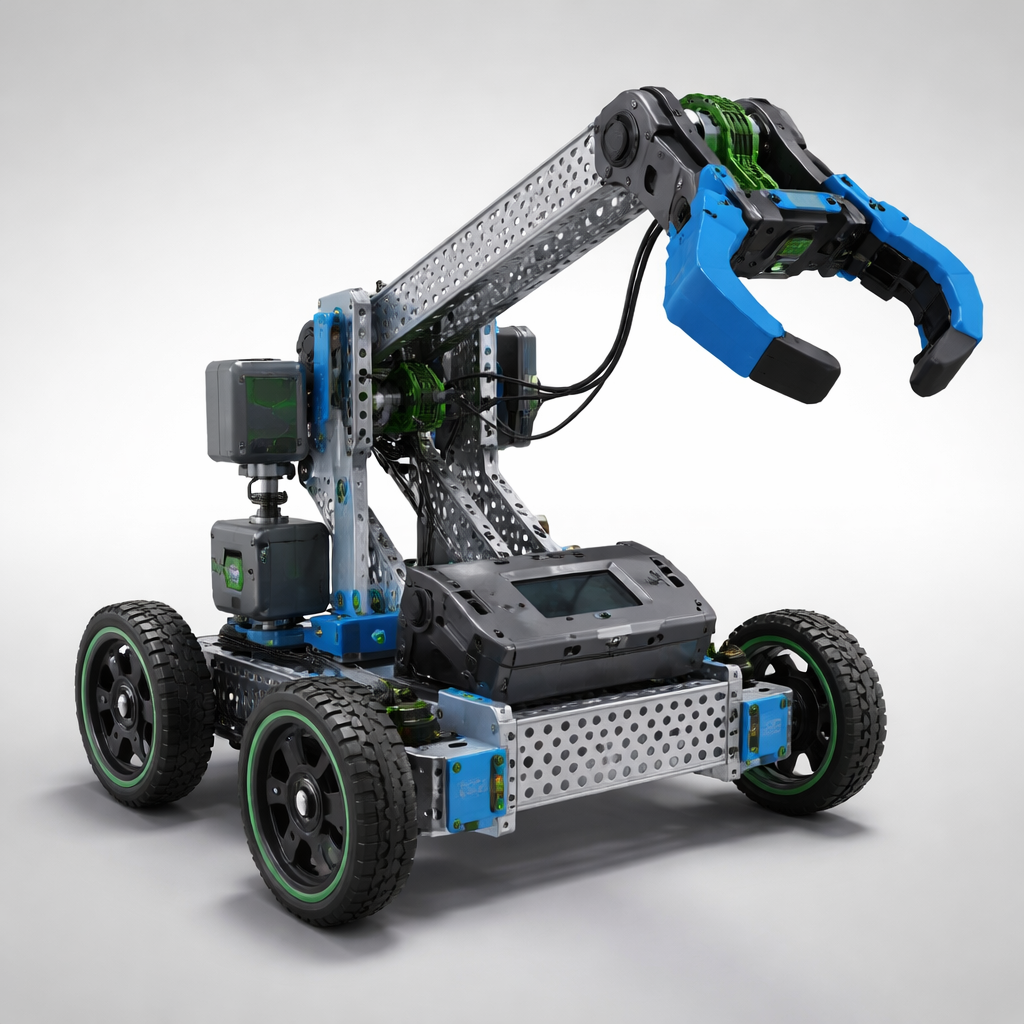
The term clawdbot has recently begun appearing across technology discussions, search queries, and niche online communities, often prompting the same question: What exactly is clawdbot? Unlike widely established technologies with formal definitions, clawdbot is best understood as an emerging or loosely defined term associated with cloud-based automation bots and intelligent software agents.
As businesses increasingly rely on automation, cloud infrastructure, and intelligent workflows, new terminology naturally emerges. Clawdbot is one such term that has gained attention in conversations around automation, cloud services, and bot-driven processes. However, its meaning can vary depending on context, industry usage, and implementation.
This article provides a clear, neutral, and up-to-date explanation of clawdbot, focusing on how the term is commonly used, the technologies it is associated with, potential applications, advantages, limitations, and considerations for businesses and users. The goal is to offer clarity without speculation, exaggeration, or misleading claims.
Disclaimer: “Clawdbot” is not a formally standardized technical term. This article explains its most common interpretations and use cases based on current industry language and trends. Specific implementations, tools, or services may differ by provider or context.
Table of Contents

What Is Clawdbot?
In general usage, clawdbot refers to a cloud-based automation bot or intelligent software agent designed to perform tasks, process data, or interact with systems without continuous human input. The name itself is typically interpreted as a combination of:
- “Cloud” – indicating cloud-hosted infrastructure
- “Bot” – meaning an automated software program
In practical terms, clawdbot is often used as a shorthand or brand-style term to describe bots that operate within cloud environments to automate repetitive, rule-based, or data-driven tasks.
Why the Term “Clawdbot” Is Gaining Attention
Growth of Cloud Automation
Cloud computing has become the foundation of modern digital services. As organizations migrate workloads to the cloud, automation bots are increasingly used to manage infrastructure, monitor systems, and streamline operations.
Expansion of Bot-Based Workflows
Bots are now used across:
- Customer support
- Data processing
- Monitoring and alerting
- DevOps and IT operations
- Content moderation and management
Clawdbot fits naturally into this broader trend of cloud-native automation tools.
Core Characteristics Commonly Associated With Clawdbot
Although implementations may vary, most references to clawdbot share several common characteristics.
Cloud-Native Operation
Clawdbot typically runs on:
- Cloud servers
- Virtual machines
- Containerized environments
This allows scalability, flexibility, and remote access.
Automation-Focused Design
The primary purpose of a clawdbot-style system is to:
- Reduce manual work
- Execute predefined tasks
- Respond to triggers or events
Automation improves efficiency and consistency across workflows.
Rule-Based or Intelligent Logic
Depending on complexity, clawdbot systems may use:
- Simple rule-based logic
- Workflow automation tools
- AI-assisted decision-making
Not all clawdbots are “intelligent” in the artificial intelligence sense, but many integrate basic logic or pattern recognition.
How Clawdbot Works in Practice
Step-by-Step Overview
- Trigger Event Occurs
This could be a user request, scheduled task, system alert, or data change. - Clawdbot Receives Input
The bot processes data or signals from APIs, databases, or applications. - Logic Is Applied
Based on predefined rules or models, the bot determines the appropriate action. - Action Is Executed
This may include sending notifications, updating records, or interacting with other services. - Results Are Logged
Activity logs are stored for auditing, troubleshooting, or reporting.
Common Use Cases for Clawdbot
1. Cloud Infrastructure Monitoring
Clawdbot-style systems are often used to:
- Monitor server health
- Track performance metrics
- Trigger alerts during outages
This improves system reliability and response times.
2. Business Process Automation
Organizations may use cloud bots to automate:
- Data entry
- Report generation
- Workflow approvals
Automation reduces human error and operational costs.
3. Customer Support Assistance
In customer service environments, clawdbot may:
- Route support tickets
- Answer common questions
- Escalate complex issues to human agents
This helps teams manage high volumes of requests efficiently.
4. DevOps and IT Operations
Cloud bots are widely used in DevOps pipelines to:
- Deploy applications
- Run automated tests
- Manage configurations
Clawdbot fits naturally into these technical workflows.
Clawdbot and Cloud Computing Technologies
Integration With Cloud Platforms
Clawdbot systems typically integrate with:
- Cloud storage
- Compute services
- Networking tools
- APIs and microservices
This integration enables seamless operation across distributed systems.
Scalability Benefits
Because clawdbot runs in the cloud:
- Resources can scale up or down automatically
- Performance remains consistent during peak demand
- Maintenance is centralized
This scalability is a major advantage over local automation tools.
Security and Compliance Considerations
Data Protection
Any cloud-based bot must handle data responsibly. Key considerations include:
- Secure data transmission
- Access control and authentication
- Encryption where appropriate
Compliance Requirements
Organizations using automation bots should ensure compliance with:
- Data protection regulations
- Industry-specific standards
- Internal security policies
Disclaimer: This article does not provide legal or compliance advice. Organizations should consult qualified professionals for regulatory guidance.
Clawdbot vs Traditional Automation Tools
Key Differences
| Feature | Traditional Automation | Clawdbot (Cloud Bot) |
|---|---|---|
| Deployment | Local or on-premises | Cloud-based |
| Scalability | Limited | High |
| Maintenance | Manual | Centralized |
| Accessibility | Device-dependent | Internet-based |
Cloud bots offer greater flexibility, but they also rely heavily on network availability.
Advantages of Using Clawdbot Systems
Operational Efficiency
Automation reduces time spent on repetitive tasks, allowing teams to focus on strategic work.
Cost Optimization
Cloud-based bots can:
- Reduce labor costs
- Optimize resource usage
- Scale without major infrastructure investments
Consistency and Accuracy
Bots perform tasks consistently according to predefined rules, reducing variability and errors.
Limitations and Challenges
Internet Dependency
Clawdbot systems require reliable internet access. Network outages can impact availability.
Setup Complexity
Designing effective automation requires:
- Clear workflows
- Proper configuration
- Ongoing monitoring
Limited Contextual Understanding
Unless advanced logic is implemented, bots may struggle with:
- Ambiguous inputs
- Complex decision-making
Human oversight remains important.
Clawdbot in Small Businesses vs Enterprises
Small Business Use
Smaller organizations may use clawdbot-style automation for:
- Scheduling
- Simple customer interactions
- Basic reporting
Enterprise Use
Larger organizations often deploy:
- Multiple bots
- Integrated automation pipelines
- Advanced monitoring and analytics
Enterprise implementations tend to be more complex but also more powerful.
Ethical and Responsible Use of Automation Bots
Transparency
Users interacting with bots should know when automation is involved.
Accountability
Organizations remain responsible for:
- Bot actions
- Data handling
- System outcomes
Automation should support humans, not replace accountability.
Trends Shaping the Future of Clawdbot
Increased Integration With AI
Future clawdbot systems may incorporate:
- Natural language processing
- Predictive analytics
- Smarter decision models
Improved User Interfaces
Automation platforms are becoming more user-friendly, allowing non-technical users to configure bots.
Broader Industry Adoption
As cloud services mature, cloud-based bots are expected to expand into:
- Healthcare administration
- Education platforms
- Financial operations
Pros and Cons of Clawdbot
Pros
- Scalable cloud-based operation
- Reduces repetitive manual work
- Supports modern digital workflows
- Improves efficiency and consistency
Cons
- Requires stable internet
- Setup and configuration effort
- Limited judgment without human oversight
- Security considerations must be managed carefully
Is Clawdbot the Same as AI Bots?
Not necessarily.
While some clawdbot systems may use AI components, many are:
- Rule-based
- Workflow-driven
- Designed for specific tasks
AI-enhanced bots are a subset of automation, not a requirement.
Frequently Asked Questions (FAQs)
What does clawdbot mean?
Clawdbot generally refers to a cloud-based automation bot used to perform tasks or manage workflows.
Is clawdbot a specific product?
The term is often used generically. Specific tools or services may use similar naming, but implementations vary.
Is clawdbot safe to use?
Safety depends on configuration, security practices, and provider standards.
Do clawdbots use artificial intelligence?
Some do, but many rely on predefined rules and workflows rather than advanced AI.
Who benefits most from clawdbot systems?
Businesses and teams seeking efficiency, scalability, and automation in cloud environments.
Practical Tips Before Using a Clawdbot System
- Clearly define the tasks you want to automate
- Evaluate security and data protection measures
- Start with simple workflows before expanding
- Monitor performance and logs regularly
- Maintain human oversight for critical decisions
Conclusion: Key Takeaways About Clawdbot
Clawdbot represents a broader shift toward cloud-based automation and intelligent workflow management. While the term itself is not formally standardized, its common usage reflects real-world trends in cloud computing, bot development, and operational efficiency.
For organizations and individuals, clawdbot-style systems can offer meaningful benefits—reducing manual work, improving consistency, and enabling scalable operations. At the same time, responsible implementation, security awareness, and human oversight remain essential.
As cloud technology continues to evolve, clawdbot and similar automation concepts are likely to become more refined, more accessible, and more deeply integrated into everyday digital processes. Understanding how they work today provides a strong foundation for navigating the automated systems of tomorrow.