
0
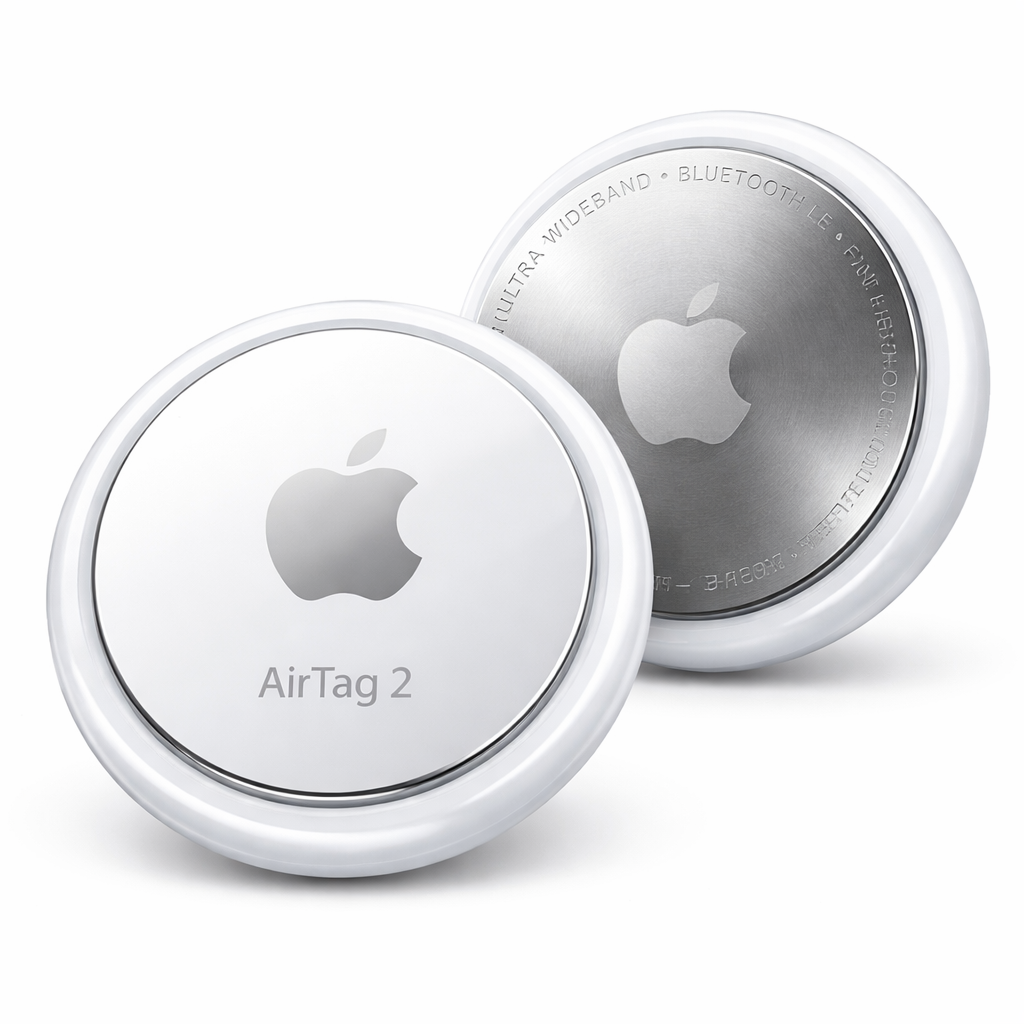
AirTag 2: Everything We Know So Far About Apple’s Next-Generation Item Tracker
Apple’s original AirTag 2 quickly became one of the most recognizable and widely used item trackers in the world. Designed to help users locate everyday belongings like keys, wallets, bags, and luggage, AirTag combined Apple’s vast Find My network with a simple, privacy-focused design. As user adoption has grown, so has interest in the next iteration: AirTag 2.
Search interest in AirTag 2 has increased significantly as consumers look for improvements in range, battery life, security, and compatibility. At the same time, discussions around privacy, anti-stalking protections, and regulatory compliance have shaped expectations for any future Apple tracking device.
This in-depth guide provides a clear, factual, and up-to-date overview of AirTag 2, based on verified information, reliable industry reporting, and Apple’s established product development patterns. It explains what AirTag 2 is expected to represent, how it may differ from the original AirTag, and what users should realistically expect—without exaggeration, speculation presented as fact, or misleading claims.
Important Disclaimer: As of the current year, Apple has not officially announced or released a product branded as “AirTag 2.” Any discussion of features or changes is based on credible reporting, supply-chain analysis, and Apple’s documented technology roadmap. Final specifications, pricing, and release timing remain subject to Apple’s official announcements.
What Is AirTag 2?
AirTag 2 is the commonly used name for Apple’s anticipated second-generation AirTag tracker. Like the original AirTag, it is expected to be a small Bluetooth-enabled tracking device designed to integrate seamlessly with Apple’s Find My ecosystem.
The core purpose of AirTag 2 would remain the same:
- Help users locate personal items
- Leverage Apple’s global Find My network
- Prioritize privacy and security by design
Rather than reinventing the category, AirTag 2 is expected to focus on incremental but meaningful improvements to performance, safety, and efficiency.
Why There Is Strong Demand for AirTag 2
Widespread Adoption of the Original AirTag
Since its introduction, AirTag has been used by:
- Travelers tracking luggage
- Professionals managing equipment
- Families keeping track of shared items
- Individuals protecting valuables
The success of the first-generation product naturally leads to demand for refinement.
Advancements in Apple’s Wireless Technology
Apple has continued to invest heavily in:
- Ultra Wideband (UWB) technology
- Energy-efficient Bluetooth chips
- Custom silicon design
These developments create expectations that a second-generation AirTag could offer better performance without sacrificing battery life or privacy.
Expected Design Philosophy of AirTag 2
Familiar Form Factor
Apple typically maintains continuity in successful product designs. Most industry observers expect AirTag 2 to:
- Retain a compact, minimalist shape
- Remain lightweight and discreet
- Support existing accessories such as keyrings and holders
Major physical design changes are considered unlikely unless driven by functional improvements.
Durability and Water Resistance
The original AirTag already offers water and dust resistance suitable for everyday use. AirTag 2 may focus on:
- Improved durability over time
- Enhanced resistance for travel and outdoor use
However, no radical change has been confirmed.
AirTag 2 and Ultra Wideband Technology
The Role of UWB in Precision Finding
One of AirTag’s standout features is Precision Finding, enabled by Ultra Wideband technology in supported iPhones. This allows users to:
- See exact distance and direction
- Locate items indoors with high accuracy
Potential UWB Improvements
Apple has introduced newer generations of UWB chips in recent iPhones. If AirTag 2 adopts updated UWB hardware, users could see:
- Greater effective range
- Faster location updates
- Improved accuracy in dense environments
These enhancements would align with Apple’s broader ecosystem strategy.
Battery Life and Power Management
Original AirTag Battery Model
The first AirTag uses a user-replaceable CR2032 coin cell battery, typically lasting about one year under normal usage.
This approach has been widely praised for:
- Convenience
- Longevity
- Sustainability compared to sealed batteries
What Could Change With AirTag 2?
Rather than switching to a rechargeable design, Apple is expected to focus on:
- More efficient power consumption
- Better standby performance
- Smarter energy management through updated chips
Maintaining a replaceable battery would align with user expectations and regulatory trends.
AirTag 2 and Privacy Protections
Privacy as a Core Design Principle
Apple has consistently emphasized privacy in all tracking-related features. Any AirTag 2 release would be expected to:
- Maintain end-to-end encryption
- Prevent unauthorized tracking
- Protect user identity within the Find My network
Anti-Stalking Measures
In response to real-world concerns, Apple has already introduced:
- Alerts for unknown AirTags traveling with a user
- Shorter sound alert intervals
- Improved Android detection apps
AirTag 2 is likely to build on these safeguards, potentially through:
- Louder or more efficient speakers
- Faster detection of suspicious behavior
- Enhanced cross-platform alerts
AirTag 2 and Regulatory Considerations
Global Compliance
Item trackers operate under different regulations worldwide, especially regarding:
- Personal privacy
- Consumer safety
- Wireless standards
Apple’s approach suggests AirTag 2 would be designed to meet:
- U.S. regulations
- EU digital and privacy standards
- International radio and consumer protection laws
Sustainability and Environmental Goals
Apple has publicly committed to environmental responsibility. AirTag 2 could reflect this through:
- Increased use of recycled materials
- Improved energy efficiency
- Reduced packaging impact
Integration With the Apple Ecosystem
Find My Network Expansion
The Find My network now includes:
- iPhones
- iPads
- Macs
- Apple Watches
- Select third-party accessories
AirTag 2 would continue to benefit from this massive, privacy-preserving network, which anonymously crowdsources location signals from nearby Apple devices.
Cross-Device Compatibility
Users can expect AirTag 2 to:
- Work seamlessly with existing Apple IDs
- Support Family Sharing features
- Integrate with Apple Watch notifications and alerts

AirTag 2 vs Original AirTag: Expected Differences
| Feature | Original AirTag | AirTag 2 (Expected) |
|---|---|---|
| UWB Chip | First-generation | Newer UWB generation |
| Range | Short to mid-range | Potentially extended |
| Battery | CR2032 replaceable | Same, with efficiency gains |
| Privacy Alerts | Yes | Enhanced and faster |
| Design | Minimal, compact | Similar form factor |
Note: This comparison is based on credible expectations, not official specifications.
Use Cases for AirTag 2
Everyday Personal Items
- Keys
- Wallets
- Backpacks
- Handbags
Travel and Luggage Tracking
- Checked baggage
- Carry-on items
- Travel gear
Professional and Work Equipment
- Tools
- Camera gear
- Shared devices
Family and Shared Environments
- Household items
- Shared keys
- Sports equipment
Pros and Cons of AirTag 2 (Based on Expected Features)
Pros
- Improved tracking accuracy
- Strong privacy protections
- Seamless Apple ecosystem integration
- User-replaceable battery
- Global Find My network support
Cons
- Likely limited to Apple ecosystem
- Not designed for real-time GPS tracking
- No official confirmation until Apple announcement
AirTag 2 and Competing Trackers
Comparison With Other Trackers
While many competitors offer Bluetooth tracking, Apple’s main advantage remains:
- Network scale
- Privacy architecture
- UWB-based precision finding
AirTag 2 is expected to strengthen these advantages rather than compete on price alone.
Common Misconceptions About AirTag 2
“AirTag 2 Is Already Released”
This is false. Apple has not announced or launched AirTag 2.
“It Will Track People”
AirTag products are designed for item tracking, not people, and include safeguards to prevent misuse.
“It Replaces GPS Trackers”
AirTags do not function as standalone GPS devices and are not intended for high-speed or live tracking.
Frequently Asked Questions (FAQs)
Is AirTag 2 officially confirmed by Apple?
No. Apple has not made an official announcement regarding AirTag 2.
Will AirTag 2 work with older iPhones?
If released, it is expected to support a wide range of recent iPhone models, though advanced features may require newer hardware.
Will AirTag 2 improve privacy features?
Based on Apple’s track record, enhanced privacy and safety features are highly likely.
Is AirTag 2 better for luggage tracking?
Any improvements in range or detection speed would benefit travel use cases, but official confirmation is pending.
Should I wait for AirTag 2?
That depends on individual needs. The current AirTag remains a capable and widely supported device.
Practical Advice for Potential Buyers
- Evaluate current tracking needs before delaying purchases
- Follow official Apple announcements rather than unverified leaks
- Consider compatibility with existing Apple devices
- Review privacy features and settings regularly
Conclusion: What AirTag 2 Represents for Apple Users
AirTag 2 represents Apple’s likely next step in refining one of its most practical and widely adopted accessories. While no official details have been confirmed, credible expectations point toward incremental improvements rather than dramatic changes—better range, improved efficiency, and stronger safety protections.
For users already invested in the Apple ecosystem, AirTag 2 is expected to reinforce Apple’s position in item tracking through privacy-first design and deep integration. Until Apple makes a formal announcement, the original AirTag remains a reliable solution, and AirTag 2 should be viewed as an evolution built on a proven foundation rather than a radical departure.
By focusing on real-world usability, trust, and ecosystem value, AirTag 2—when officially introduced—will likely continue Apple’s approach of solving everyday problems with quiet, thoughtful technology.