
Intelligent ERP: A Comprehensive Guide to Smarter Enterprise Resource Planning in 2026
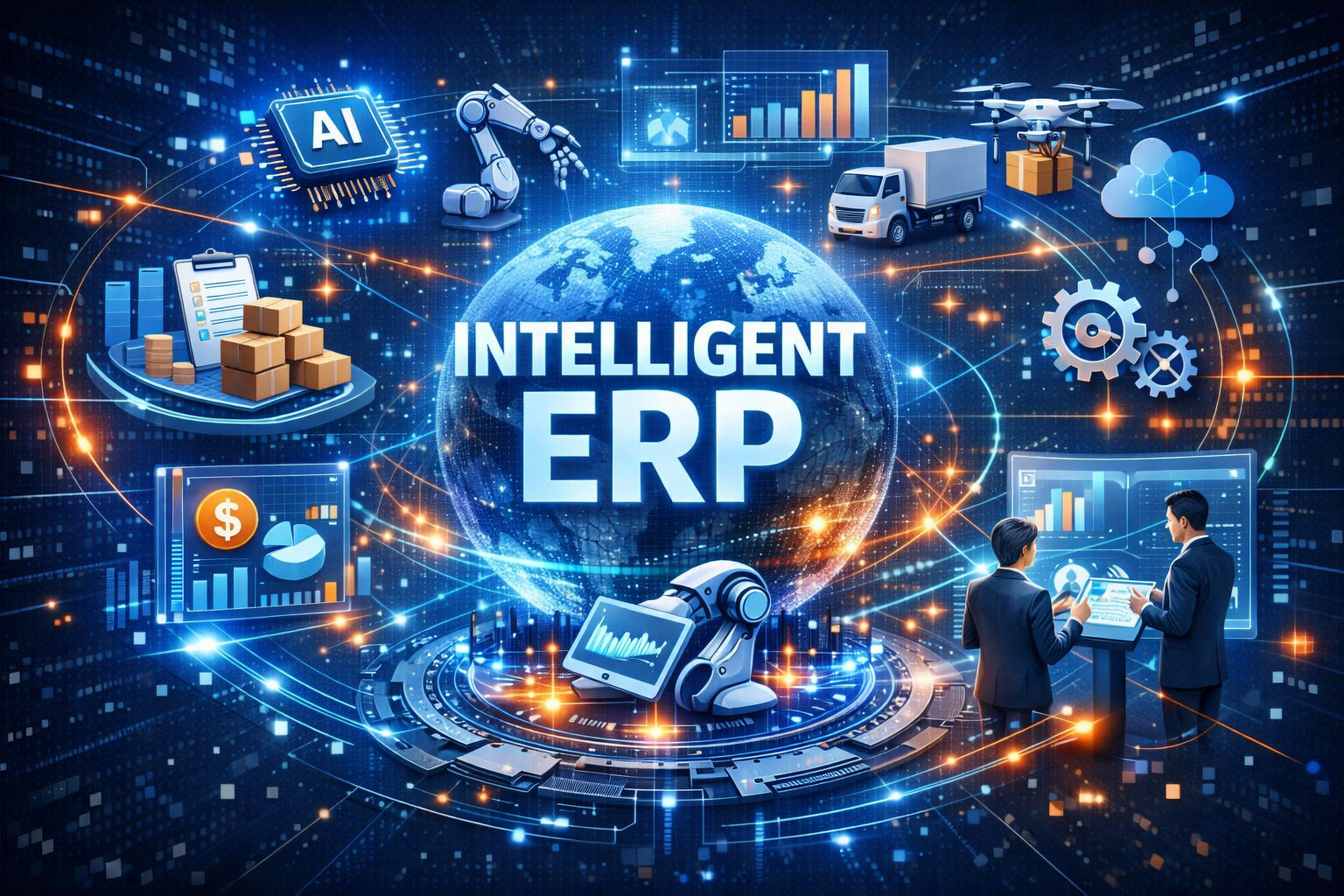
Intelligent ERP: Enterprise Resource Planning systems have long been the digital backbone of modern organizations. However, traditional ERP platforms are no longer sufficient in a business environment defined by real-time data, global operations, and rapidly changing customer expectations. This shift has given rise to Intelligent ERP, a new generation of enterprise systems designed to be adaptive, data-driven, and insight-focused.
This in-depth guide explains what Intelligent ERP is, how it works, why it matters in 2026, and how organizations can evaluate and adopt it responsibly. The article is written for business leaders, IT professionals, and decision-makers seeking a clear, practical, and unbiased understanding of this evolving technology.
Disclaimer: This article is for general informational and educational purposes only. It does not constitute financial, legal, or operational advice. Organizations should consult qualified professionals before selecting or implementing an ERP system.
What Is Intelligent ERP?
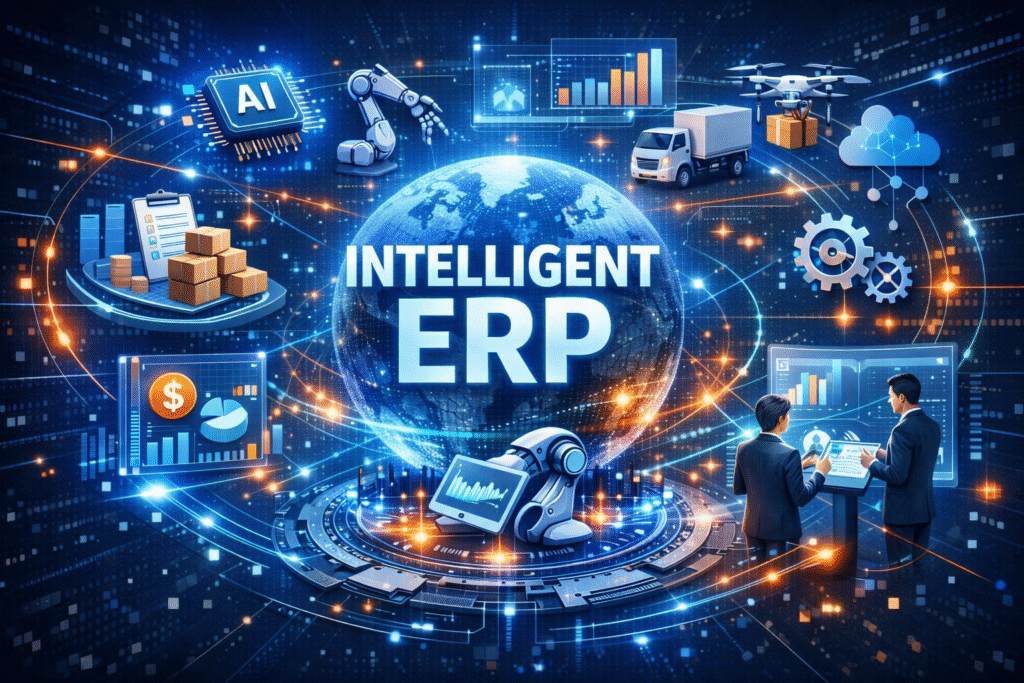
Intelligent ERP refers to modern enterprise resource planning systems that incorporate advanced analytics, automation, and data-driven decision support into traditional ERP functionality. Unlike legacy ERP platforms, which primarily record transactions, intelligent ERP systems actively analyze data and provide contextual insights to support better business decisions.
At its core, intelligent ERP combines:
- Core ERP modules (finance, HR, supply chain, manufacturing, etc.)
- Advanced analytics and real-time reporting
- Automation of routine business processes
- Predictive and prescriptive insights
- Cloud-native architecture and continuous updates
The goal is not just operational efficiency, but improved agility, resilience, and strategic decision-making.
How Intelligent ERP Differs from Traditional ERP
Understanding the differences between traditional ERP and intelligent ERP is essential for organizations planning modernization initiatives.
Traditional ERP Characteristics
- Primarily transaction-focused
- Batch-based reporting
- Heavy reliance on manual processes
- Limited real-time visibility
- High customization and maintenance costs
Intelligent ERP Characteristics
- Insight-driven and data-centric
- Real-time analytics and dashboards
- Automated workflows and approvals
- Embedded decision support
- Continuous innovation through cloud delivery
In practical terms, intelligent ERP systems help organizations anticipate issues rather than react to them.
Why Intelligent ERP Matters in 2026
The relevance of intelligent ERP has increased significantly due to several global business trends.
1. Data Volume and Complexity
Organizations now generate massive amounts of data across multiple systems. Intelligent ERP helps unify, analyze, and contextualize this data in real time.
2. Faster Decision-Making Requirements
Executives and managers need immediate insights to respond to market changes, supply chain disruptions, and customer demand fluctuations.
3. Distributed and Hybrid Workforces
Modern ERP systems must support remote access, role-based security, and seamless collaboration across geographies.
4. Increased Regulatory and Compliance Pressure
Intelligent ERP systems offer stronger audit trails, compliance reporting, and governance controls.
Core Components of an Intelligent ERP System
An intelligent ERP platform is built on several interconnected components that work together to deliver value.
1. Intelligent Finance Management
Finance is often the first area transformed by intelligent ERP.
Key capabilities include:
- Real-time financial close and consolidation
- Automated journal entries and reconciliations
- Continuous forecasting and budgeting
- Embedded financial analytics
This enables finance teams to move from reporting historical results to supporting forward-looking strategy.
2. Intelligent Supply Chain Management
Supply chain disruptions have highlighted the importance of visibility and adaptability.
Intelligent ERP systems support:
- Demand forecasting and inventory optimization
- Supplier performance analysis
- Scenario planning and risk assessment
- End-to-end supply chain visibility
These features help organizations improve resilience and reduce operational risk.
3. Human Capital Management Integration
Workforce data is a critical input for enterprise planning.
Intelligent ERP systems often integrate or embed:
- Workforce planning and analytics
- Skills and capacity analysis
- Payroll and compliance tracking
- Employee lifecycle management
This alignment ensures labor costs and talent strategies are reflected accurately in business plans.
4. Embedded Analytics and Reporting
One of the defining features of intelligent ERP is analytics embedded directly into business processes.
Benefits include:
- Role-based dashboards
- Contextual insights within workflows
- Real-time performance monitoring
- Reduced dependence on external reporting tools
Users no longer need to extract data into separate systems to gain insights.
5. Automation and Workflow Optimization
Automation is central to intelligent ERP functionality.
Common automated processes include:
- Purchase approvals
- Invoice processing
- Order management
- Compliance checks
Automation improves consistency, reduces errors, and frees employees for higher-value work.

Key Benefits of Intelligent ERP
Organizations adopting intelligent ERP report benefits that extend beyond IT efficiency.
Strategic Benefits
- Improved decision-making quality
- Greater organizational agility
- Enhanced forecasting accuracy
- Better alignment between strategy and execution
Operational Benefits
- Faster financial close cycles
- Reduced manual effort
- Improved data accuracy
- Enhanced cross-functional collaboration
Financial Benefits
- Lower operational costs over time
- Improved working capital management
- More accurate budget planning
Common Use Cases for Intelligent ERP
Intelligent ERP systems are used across industries and business models.
Manufacturing
- Production planning optimization
- Demand-driven scheduling
- Predictive maintenance insights
Retail and E-commerce
- Real-time inventory visibility
- Dynamic pricing analysis
- Omnichannel financial reporting
Healthcare and Life Sciences
- Compliance and audit readiness
- Cost control and resource allocation
- Integrated financial and operational reporting
Professional Services
- Project-based accounting
- Resource utilization tracking
- Revenue recognition management
Leading Intelligent ERP Platforms in the Market
While many vendors offer ERP solutions, only a subset meet the criteria for intelligent ERP.
Common Characteristics of Leading Platforms
- Cloud-first or cloud-native architecture
- Continuous feature updates
- Strong analytics capabilities
- Modular and scalable design
Examples of widely adopted intelligent ERP platforms include offerings from major enterprise software providers, though the right choice depends on organizational size, industry, and requirements.
Intelligent ERP vs ERP with Add-Ons
A common misconception is that adding analytics tools to a traditional ERP creates an intelligent ERP. While add-ons can enhance functionality, they often lack deep integration.
Native Intelligent ERP Advantages
- Unified data model
- Consistent user experience
- Lower integration complexity
- Real-time insights within workflows
Organizations should evaluate whether intelligence is embedded or bolted on.
Challenges of Implementing Intelligent ERP
Despite its benefits, intelligent ERP adoption is not without challenges.
1. Change Management
Employees may resist new workflows or automation.
Mitigation strategy: Invest in training, communication, and phased rollouts.
2. Data Quality Issues
Poor data quality can undermine analytics and insights.
Mitigation strategy: Cleanse and standardize data before migration.
3. Implementation Complexity
Enterprise ERP projects require careful planning.
Mitigation strategy: Use experienced implementation partners and realistic timelines.
4. Cost Considerations
While cloud ERP reduces infrastructure costs, subscription and implementation expenses must be managed.
Mitigation strategy: Focus on long-term value rather than short-term savings.
How to Choose the Right Intelligent ERP System
Selecting an intelligent ERP system is a strategic decision.
Step 1: Define Business Objectives
Clarify whether the primary goal is:
- Operational efficiency
- Better analytics
- Scalability
- Compliance improvement
Step 2: Assess Functional Requirements
Identify critical modules such as:
- Finance and accounting
- Supply chain
- HR and payroll
- Project management
Step 3: Evaluate Analytics and Reporting Capabilities
Ensure insights are embedded and actionable, not limited to static reports.
Step 4: Review Security and Compliance Features
Confirm support for:
- Role-based access controls
- Audit trails
- Data encryption
- Industry regulations
Step 5: Consider Scalability and Vendor Roadmap
Choose a platform that aligns with long-term growth and innovation plans.
Intelligent ERP and Cloud Deployment
Most intelligent ERP systems are cloud-based or cloud-first.
Benefits of Cloud-Based Intelligent ERP
- Faster deployment
- Automatic updates
- Global accessibility
- Lower infrastructure maintenance
On-Premises Considerations
Some organizations still require on-premises or hybrid deployment due to regulatory or data residency requirements.
Pros and Cons of Intelligent ERP
Pros
- Real-time insights and analytics
- Improved automation and efficiency
- Better cross-functional visibility
- Scalable and future-ready architecture
Cons
- Requires organizational change
- Initial implementation effort
- Dependence on data quality
FAQs About Intelligent ERP
What makes an ERP system “intelligent”?
An ERP system is considered intelligent when it goes beyond transaction processing and provides real-time insights, automation, and data-driven decision support within core business processes.
Is intelligent ERP suitable for mid-sized businesses?
Yes. Many modern intelligent ERP platforms are modular and scalable, making them suitable for mid-sized organizations as well as large enterprises.
How long does it take to implement intelligent ERP?
Implementation timelines vary, typically ranging from several months to over a year, depending on scope, customization, and organizational readiness.
Does intelligent ERP replace business intelligence tools?
Intelligent ERP reduces reliance on separate BI tools by embedding analytics directly into workflows, though advanced analytics platforms may still be used for specialized needs.
Is intelligent ERP secure?
Reputable vendors implement enterprise-grade security, compliance certifications, and continuous monitoring. Security also depends on proper configuration and governance.
Future Trends in Intelligent ERP
As enterprise systems continue to evolve, several trends are shaping the future of intelligent ERP.
Key Trends to Watch
- Deeper integration of real-time analytics
- Increased automation of compliance and controls
- Expansion of industry-specific ERP solutions
- Greater focus on sustainability and ESG reporting
Organizations that adopt intelligent ERP early are better positioned to adapt to these changes.
Conclusion: Why Intelligent ERP Is a Strategic Investment
Intelligent ERP represents a significant evolution in enterprise resource planning. By combining core ERP functionality with real-time insights, automation, and integrated analytics, it enables organizations to operate more efficiently and make better-informed decisions.
Key Takeaways
- Intelligent ERP moves beyond transaction processing to insight-driven operations
- Real-time analytics and automation are central benefits
- Successful adoption requires planning, data readiness, and change management
For organizations seeking long-term agility, resilience, and competitiveness, intelligent ERP is not just a technology upgrade—it is a strategic foundation for modern enterprise management.